The Hidden World Under Our Feet
Tuesday, May 14th, 2013NY Times
By Jim Robbins
HELENA, Mont.
THE world’s worrisome decline in biodiversity is well known. Some experts say we are well on our way toward the sixth great extinction and that by 2100 half of all the world’s plant and animal species may disappear.
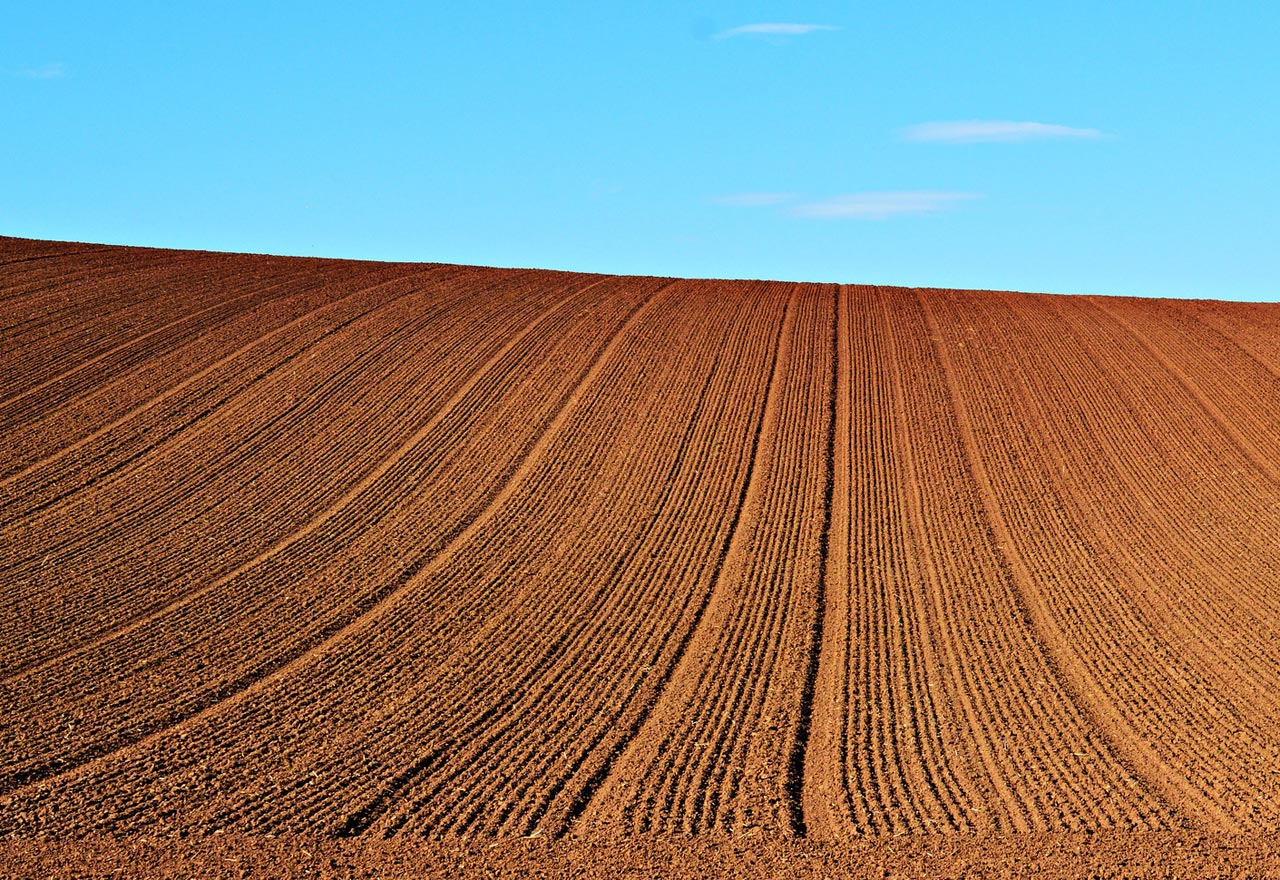
Yet one of the most important threats to biodiversity has received little attention — though it lies under our feet.
Scientists using new analytical techniques over the last decade have found that the world’s ocean of soil is one of our largest reservoirs of biodiversity. It contains almost one-third of all living organisms, according to the European Union’s Joint Research Center, but only about 1 percent of its micro-organisms have been identified, and the relationships among those myriad life-forms is poorly understood.
Soil is the foundation on which the house of terrestrial biodiversity is built. Without robust soil ecosystems, the world’s food web would be in trouble.
To understand more, scientists recently embarked on what they call the Global Soil Biodiversity Initiative to assess what is known about soil life, pinpoint where it is endangered and determine the health of the essential ecosystem services that soil provides.
They are not just looking at soil in remote, far-off landscapes. One of the more intensive studies is taking place in New York’s Central Park. Read Full Article »

There have been dramatic changes in the transgenic composition of GE corn and soybeans over the last five years, coupled with a substantial increase in reliance on pesticides and Bt toxins. Compared to the first five years of commercial use (1996-2000), today’s GE corn and soybeans in the U.S. require: