
Cornucopia’s Take: While Cornucopia is as happy as anyone that this large tract of land will be spared the spraying harmful pesticides and synthetic fertilizers, we do have to wonder how mono-cropping on this scale is truly organic. Biodiversity in the field prevents the spread of disease and the proliferation of pests. Monocropping creates an environment… Read more »
Diversity in Bee Species Necessary for Thorough Pollination
Cornucopia’s Take: While we often hear about honeybee colony collapse and the death of wild bees, this new study shows that more species of bees are needed to pollinate a larger area than scientists previously thought. The “mono-crop mindset” has long included a simplified notion of how wildlife and crops interact, and honeybee services are… Read more »
Hedgerows are Sustainable and Safe
Cornucopia’s Take: Hedgerows, or biodiversity plantings, increase habitat for wildlife like pollinators and insects that prey on crop pests, prevent soil erosion, and help prevent agricultural runoff. This study by UC Agriculture and Natural Resources and UC Davis shows that these strips of bushes, trees, and plants at the edges of fields are too narrow to… Read more »
GMO Corn, with Attendant Pesticides, is Now Vermont’s Top Crop
Cornucopia’s Take: Like the rest of the country, Vermont has seen incredible rises in the use of pesticides, including glyphosate, on its farms. The state agriculture agency claims to lack the funds to better regulate pesticides in use or study new ones, while the agency’s recently released fact sheet on glyphosate sounds like it came… Read more »
Farmers in India Laud State Restrictions of Glyphosate
Cornucopia’s Take: The Indian state of Andhra Pradesh has restricted the use of glyphosate and other herbicides to safeguard soil microbial activity, water, and human health. The new rules will also curtail the illegal production of genetically engineered herbicide tolerant (HT) cotton, which has not been approved for commercial use. ‘Threat to crops and carcinogenic’:… Read more »
Legal Challenge to EPA’s Approval of Monsanto’s Newest Dicamba Products
Cornucopia’s Take: Despite the agency’s own findings of likely harm to endangered species, Trump’s Environmental Protection Agency approved Monsanto’s XtendiMax pesticide. Further, the EPA refused to seek guidance from other federal agencies and denied any risks at all from the dicamba-based product. Six public interest and environmentalist groups have stepped forward to challenge the EPA… Read more »
Milk from Pastured Cows is Better for You
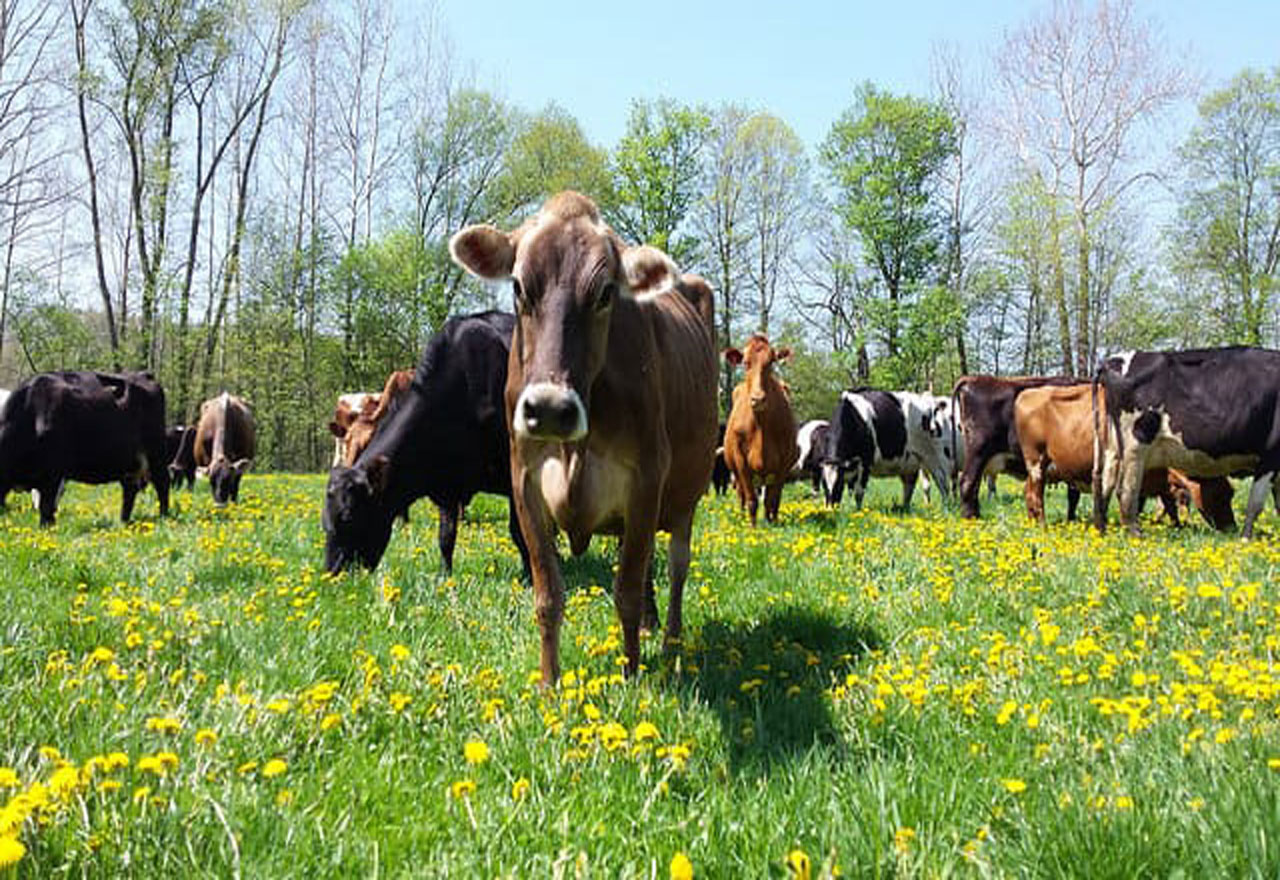
Cornucopia’s Take: A healthy balance of omega-6 and omega-3 fatty acids in our diet is essential to human health. Too much omega-6 in the equation elevates risks of heart disease and diabetes. A new study by University of Minnesota researchers shows that grass-fed cows produce milk with a nearly one-to-one ratio of these nutrients. This… Read more »
U.S. Agencies Sued for Refusing to Release Their Own Research Showing Danger of Common Pesticides
Cornucopia’s Take: The Center for Biological Diversity has filed a lawsuit to learn what the Environmental Protection Agency and U.S. Fish and Wildlife Service know about how the pesticides chlorpyrifos, diazinon, and malathion harm endangered species. The Trump administration has refused to ban these pesticides that are known to be harmful to humans and animals… Read more »
Arkansas Dicamba Ban Continues to Draw Rage
Cornucopia’s Take: The Arkansas Plant Board is unusual in its independence: appointments are not made by government and the board is not riddled with corporate shills. Their decision to ban dicamba was based on observations from around the state, sometimes on the land of the farmers on the board. But some weeds around the country… Read more »
Neonics Harm Pollinators—and Don’t Really Help Farmers All That Much
Cornucopia’s Take: A new review of 200 studies shows that neonicotinoids and fipronil, the two most popular types of pesticides do surprisingly little to improve crop yields when they are used because insects quickly develop resistance to them. Given the dangers these pesticides pose to humans, wildlife, and the environment, it appears to be time… Read more »