Archive for the Reports

Avoiding Controversial Laboratory-Produced Nutritional Oils in Your Family’s Food (Martek Biosciences DHA)

Thursday, March 29th, 2012

Why This Guide?

Organics is at a crossroads. The founding principles of organics are increasingly under attack by powerful agribusiness corporations that want a slice of the organic profit pie.

Consumers who expect organic foods to be free from controversial non-organic ingredients can no longer trust the organic seal alone as an assurance that unnecessary synthetic and non-organic ingredients are kept out. Organic decision-makers have been bombarded with corporate lobbying power, and in many cases, failed to stand strong with organic farmers and organic consumers.

In the fall of 2011, when asked to vote to approve Martek Biosciences’ DHA and ARA oil, derived from genetically mutated fermented algae and soil fungus, the members of the National Organic Standards Board ignored the simple fact that non-organic ingredients should be allowed in organic foods only if they are essential – as in the case of baking powder to make organic cookies, or yeast to bake organic bread. Instead, the majority of NOSB members sided with corporate interests.

The Cornucopia Institute developed this guide to educate consumers about Martek’s DHA algal oil and ARA fungal oil. The guide will assist consumers in making informed decisions to buy certified organic foods without these novel, manufactured oils.

What are Martek’s DHA and ARA oils?
If it’s not organic, how come it’s in organic foods?

Consumers should use the online guide to direct their purchasing decisions, and avoid products with these questionable additives:

View DHA Guide

Natural vs. Organic Cereal

Tuesday, October 11th, 2011
Natural vs. Organic Cereal

Federal law requires that organic food products be produced promoting ecological sustainability, without the toxic inputs and genetically engineered ingredients common in the conventional food system. Increasingly, organic products are forced to compete with products that claim to be “natural.”

Read Full Article »

Hexane Soy

Sunday, November 28th, 2010
Hexane Soy

The prohibition of hexane in the processing of organic foods, contrasting with its widespread use in non-organic veggie burgers, meat alternatives, nutrition bars and other “natural” foods, is a perfect example of the importance of the organic label.

Read Full Article »

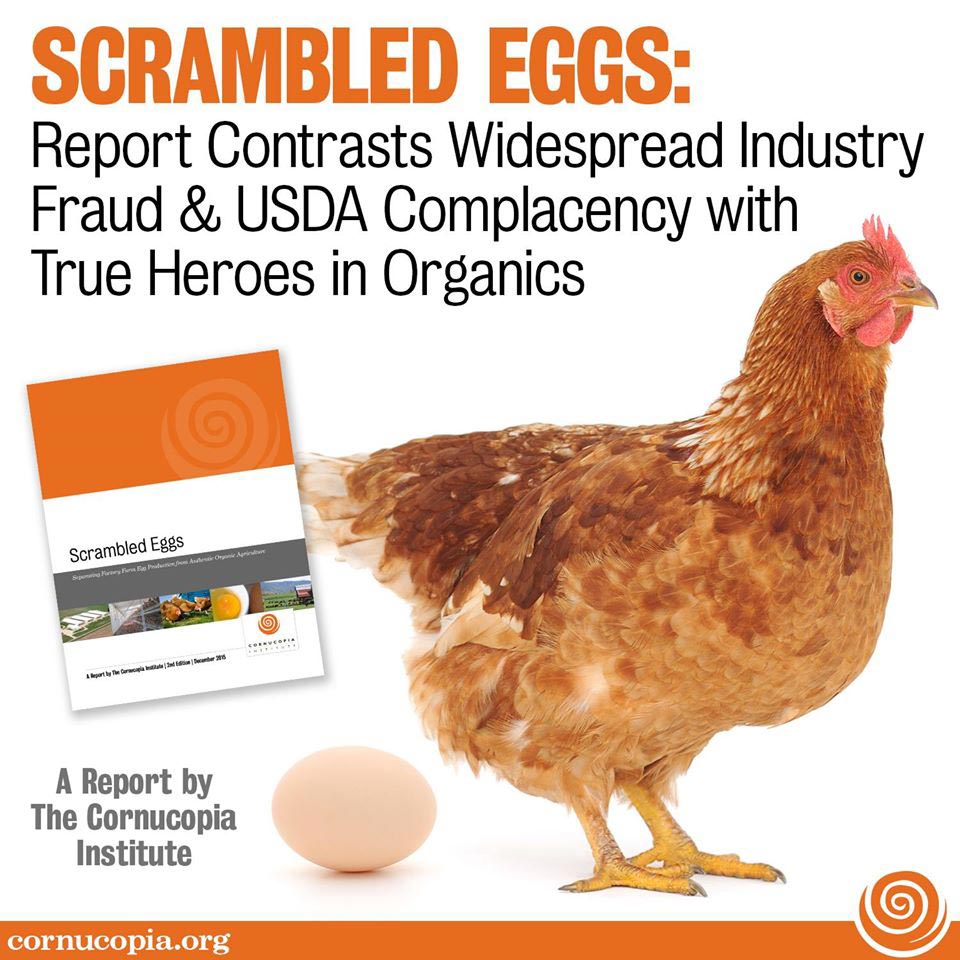
Organic Egg Report and Scorecard

Wednesday, September 22nd, 2010
Organic Egg Report and Scorecard

The accompanying organic egg scorecard rates companies that market name-brand and private-label organic “shell” eggs based on 22 criteria that are important to organic consumers. The scorecard showcases ethical family farms, and their brands, and exposes factory farm producers and brands in grocery store coolers that threaten to take over organic livestock agriculture.

Read Full Article »

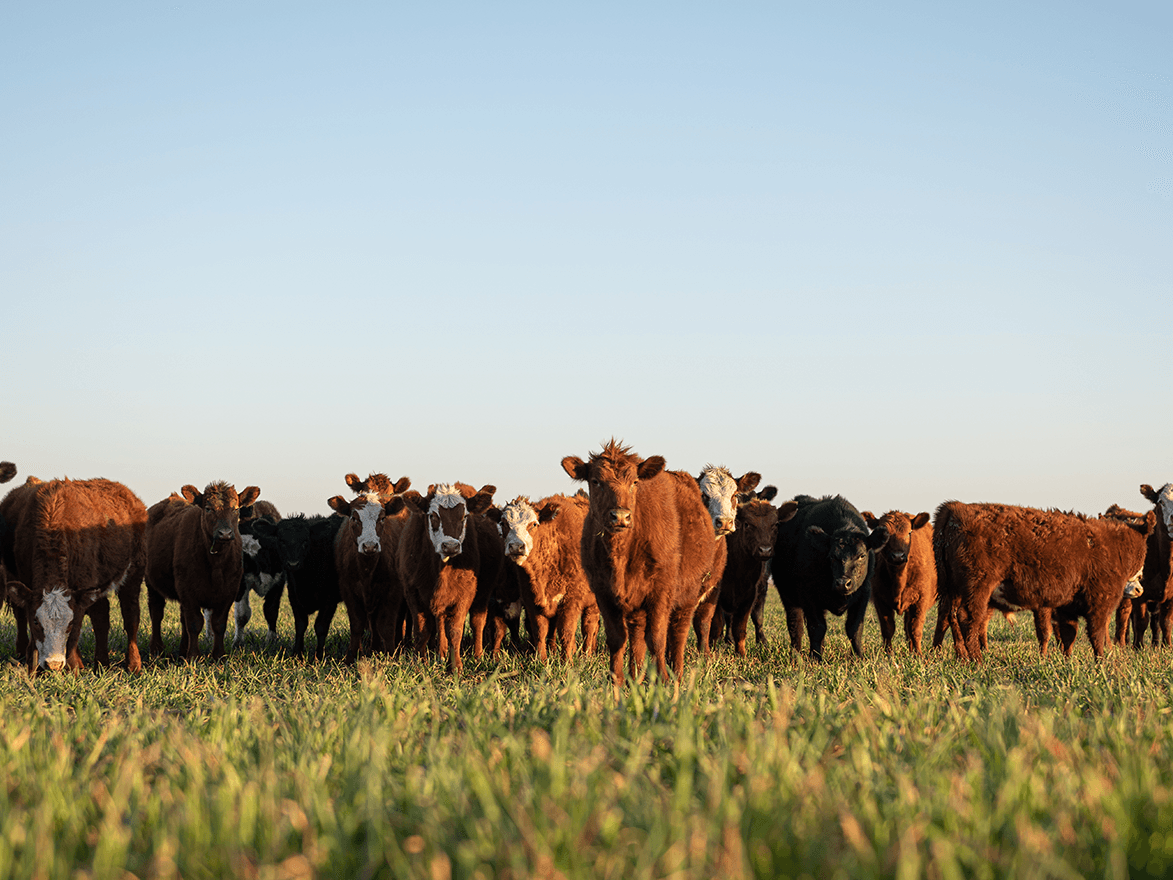
Position Paper: Organic Feedlot/Grass-based Beef

Tuesday, April 6th, 2010

When the USDA released its “pasture rule” in February 2010, the rule included an exemption for organic ruminant “slaughter stock,” such as a beef cattle and bison, from obtaining 30% of their feed from pasture during the last 4 months of their lives.

To gain a deeper understanding of current practices in the organic beef industry, Cornucopia surveyed organic beef producers across the nation. Based on this research, Cornucopia proposed a three-tiered labeling system for organic meat from ruminants. The results of the survey, and proposed labeling system, are outlined in the 2010 position paper.

In May 2011, the USDA issued a notice that the exemption for ruminant slaughter stock would remain in the final rule. While organic producers are required to maintain their organic ruminants on pasture during the grazing season, they are not required to ensure that at least 30% of the animals’ feed is obtained from grazing. Read Full Article »