The Summer 2016 Cultivator, Cornucopia’s quarterly newsletter, is now available online. Download the PDF here. In it you’ll find: Cover story: Gathering of the Agrarian Elders Commentary: Organic Hooligans Feature: Will Carrageenan Remain in Organic Food? News: Cornucopia Sues USDA Undisturbed Ecosystems Benefit Everyone What is a Rural Sociologist? Cornucopia ...
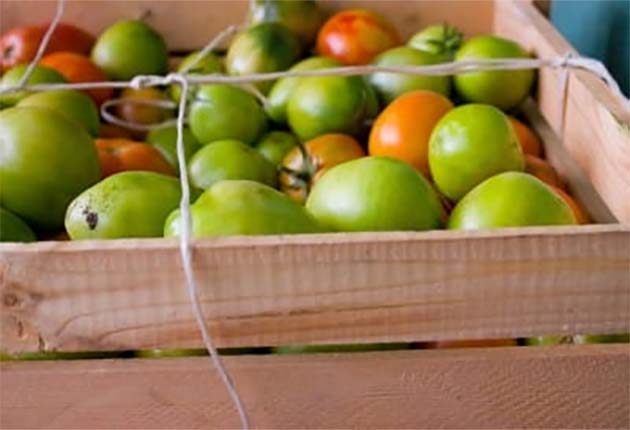
Gastropod by Anna Wexler Listen to this podcast here. Source: BarbBarbBarb In the 1960s, cherry tomatoes were nearly impossible to find in the grocery store. By the 1990s, it was hard to get a salad without them. Somehow, within a couple of decades, the tiny tomatoes had taken over. Where ...

The Ecologist by Peter Melchett / Soil Association Fair Share Farm Source: Tom Ruggieri The way food is produced has a profound impact on its nutritional profile, according to research published in the British Journal of Nutrition. Not only is organic farming better for animal welfare, the environment and wildlife, ...
Huffington Post by Roger Johnson Source: Neal Wellons Agriculture has changed dramatically since the National Farmers Union was founded nearly 114 years ago, but arguably, one of the more concerning trends in our extended history has been the perpetuated consolidation of the agricultural input sector, specifically in the seed and ...
Farm Journal by Chris Bennett Source: Astrid Albert Hippies and anti-GMO zealots grow organic crops. Right? Wrong. Timothy Gertson kicks up dirt off Texas’ Gulf Coast, southwest of Houston in Wharton County. He’s a young 31, but Gertson is an old-school farmer with no time for ideology and no wish ...
NPR – The Salt by Jeremy Cherfas Source: Jessie Wallner, WFIUS Some people may be dimly aware that Thailand’s chilies and Italy’s tomatoes — despite being central to their respective local cuisines — originated in South America. Now, for the first time, a new study reveals the full extent of ...
Voices of America Source: Kevin Chang North Dakota voters overturned legislation Tuesday that loosened Depression-era regulations on corporate farming in the midwestern state. A law colloquially known as the “ham and cheese law” was passed last year, exempting pork and dairy operations from the state’s longtime ban on corporate farming. ...
iPES FOOD Source: AgriLife Today Input-intensive crop monocultures and industrial-scale feedlots must be consigned to the past in order to put global food systems onto sustainable footing, according to the world’s foremost experts on food security, agro-ecosystems and nutrition. The solution is to diversify agriculture and reorient it around ecological ...
Purdue University A new Purdue Extension publication examines the causes and effects of pesticide drift, including information on how to recognize and report a drift incident. Pesticide drift occurs when chemicals used to manage weeds or insects are blown or carried off target by wind during application, posing a potential ...
If Not Blocked, Vermont’s Law May Usher in GMO Labeling Nationwide! Source: Alexandra E Rust Vermont’s landmark GMO food labeling law is scheduled to take effect on July 1. Monsanto and the Big Food opponents of the law are scrambling in the U.S. Senate to come up with a federal ...
Reuters by Anthony Esposito Salmon FarmSource: Horacio Lyon A Chilean appeals court has ordered the government’s Sernapesca fisheries body to disclose the details of antibiotic use by salmon producers operating in the country, court documents showed on Wednesday. Salmon farmers in Chile, the world’s second-largest producer of the fish, are ...
Agri-view The National Sustainable Agriculture Coalition has released its Organic Farmers’ Guide to the Conservation Reserve Program Field Border Buffer Initiative. The guide is a free resource, one of many free guides the National Sustainable Agriculture Coalition regularly produces for farmers and farm groups, and for organic farmers interested in ...