
Cornucopia’s Take: The newsreel spins so fast, it seems even reporters skim the news sometimes. Cornucopia encourages readers to examine studies of interest personally, and not just rely on media coverage. What the latest research actually says (and doesn’t) about organic The Organic Center Source: Casey Lessard Precise analysis of scientific articles isn’t always easy… Read more »
Search Results for: gmo
Organic Agriculture: Deeply Rooted in Science and Ecology 66
Grist by Eliot Coleman Organic farming is often falsely represented as being unscientific. However, despite the popular assumption that it sprang full born from the delusions of 60s hippies, it has a more extensive, and scientifically respectable, provenance. If you look back at the first flush of notoriety in the 1940s, the names most often… Read more »
The Bee Keepers
How a Harvard scientist, a sixth-generation bee whisperer, and a retired entrepreneur joined forces to rescue an embattled insect and save the American food supply The Boston Globe Magazine By Scott Helman CHENSHENG LU hardly cuts the profile of a provocateur. He dresses business casual and wears silver-rimmed glasses. He lives in Wellesley. He gardens…. Read more »
Demise of the National Organic Standards Board?
Montana Organic Association by Barry Flamm, Former Chair of the National Organic Standards Board, Board Member of The Cornucopia Institute and MOA Lifetime Member The original and current purpose of the Organic Food Production Act of 1990 (OFPA) is to bring integrity and order to organic food production and marketing by establishing uniform standards. The… Read more »
In Trial Run, Chipotle Heads to the Farm
For Chains, Buying Locally Still Means a Long Journey The Washington Post By Jane Black, staff writer CHARLOTTESVILLE — When Chipotle Mexican Grill executives decided to begin serving local pork from one of the most famous farmers in America, they did the opposite of what most big companies would do when jumping on the latest… Read more »
Industry Watchdog “Dumbfounded” by USDA’s Failure to Enforce Organic Law
USDA Continues Bush-era Policy of Allowing Unapproved Synthetic Additives March 21, 2011 For Immediate Release Contact: Mark Kastel, 608-625-2000 Charlotte Vallaeys, 978-369-6409 Cornucopia, WI—The Cornucopia Institute, one of the nation’s leading organic industry watchdogs, condemned the position of the United States Department of Agriculture that it will allow products containing unapproved synthetic additives to be… Read more »
Frequently Asked Questions
Can I donate via PayPal? Yes! Please allow PayPal to share your contact information with Cornucopia, enabling us to send you our quarterly newsletter and other periodic communications. Do you take bequests or other types of gifts? For information on recognizing Cornucopia in a bequest, or for gifts of stock and other appreciated assets, please feel… Read more »
Congress to Consider Doubling National Organic Program Funding
Cornucopia’s Take: The reputation of “USDA Organic” has suffered enormously this year. The Washington Post has run a series of investigative stories, detailing the fraud, lack of enforcement, and conflicts of interest at the National Organic Program (NOP). Cornucopia has shared insight into these issues with organic stakeholders for almost 15 years, conducting investigations and publishing reports… Read more »
Apeel and Edible Coatings: Your Questions Answered
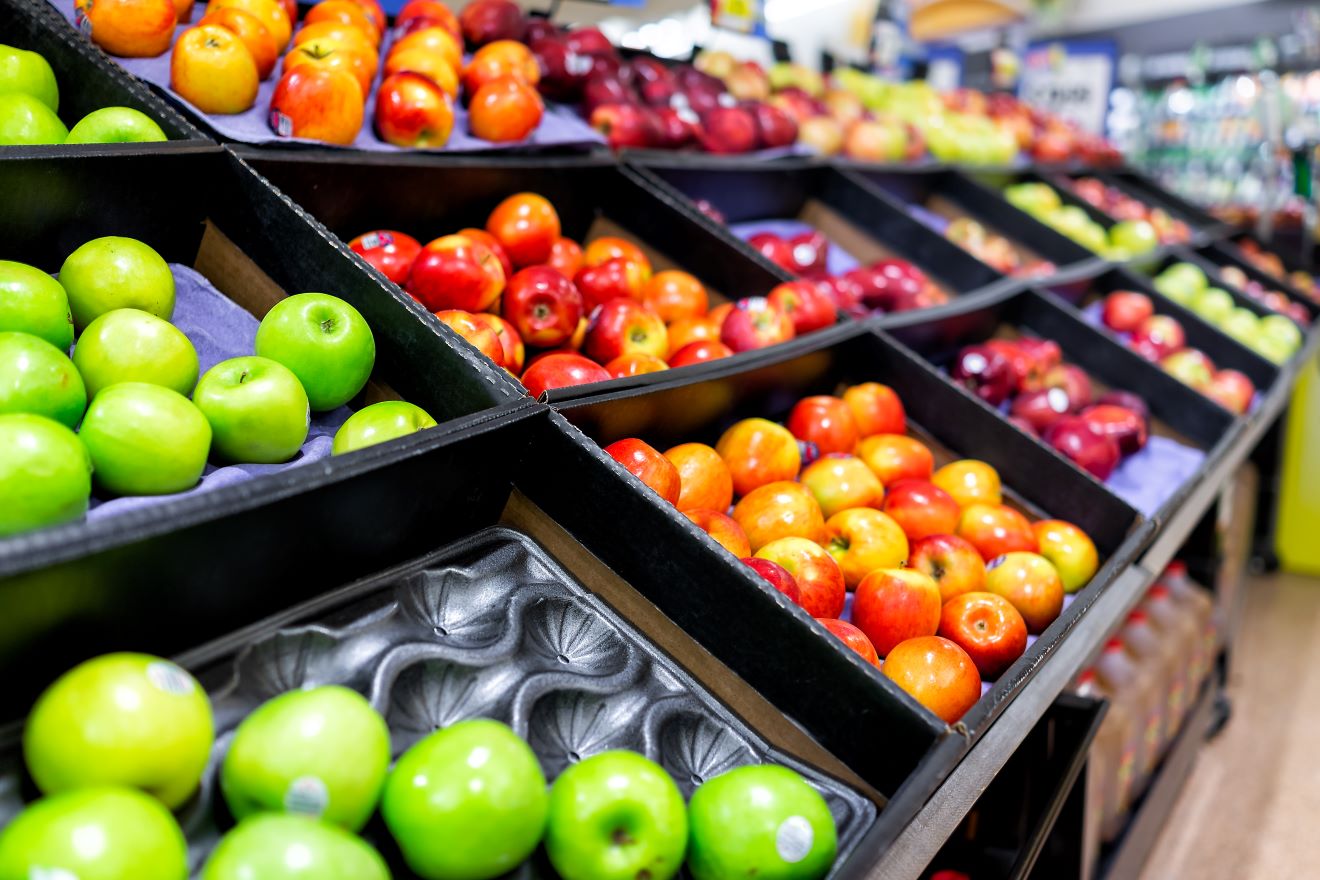
If you’re one of the many organic consumers with questions or concerns about the food preservation product called Apeel, Cornucopia has answers. We believe consumers have the right to know what they are eating, not only to protect themselves but to support agricultural practices deserving of their investment. We’ve done extensive research to cut through… Read more »
Family Farming: Bucolic Myth vs. Economic Reality
Why Does Superior Food Production Generate Inferior Income? [This article was previously published in the fall issue of The Cultivator, Cornucopia’s quarterly newsletter.] by Linley Dixon, PhD Linley Dixon Our diverse, small-acre vegetable farm was in its fourth year of production. Despite what appeared to be a successful venture — a thriving farmer’s market stand,… Read more »