
Scientific American The Editors Advances in agricultural technology—including, but not limited to, the genetic modification of food crops—have made fields more productive than ever. Farmers grow more crops and feed more people using less land. They are able to use fewer pesticides and to reduce the amount of tilling that leads to erosion. And within… Read more »
Search Results for: gmo
Tester-Hagan Sign On Letter 2014
[NOTE: Coordinated by the Farm and Ranch Freedom Alliance, this letter outlines a number of concerns with the FDA’s new proposed food safety rules and their applicability to family-scale farmers and ranchers. The Cornucopia Institute is among the 70 organizations that co-signed, and the 12,000 farmers, food and agricultural business leaders and individual signers.] Click… Read more »
A Win for Authentic Organic Dairy
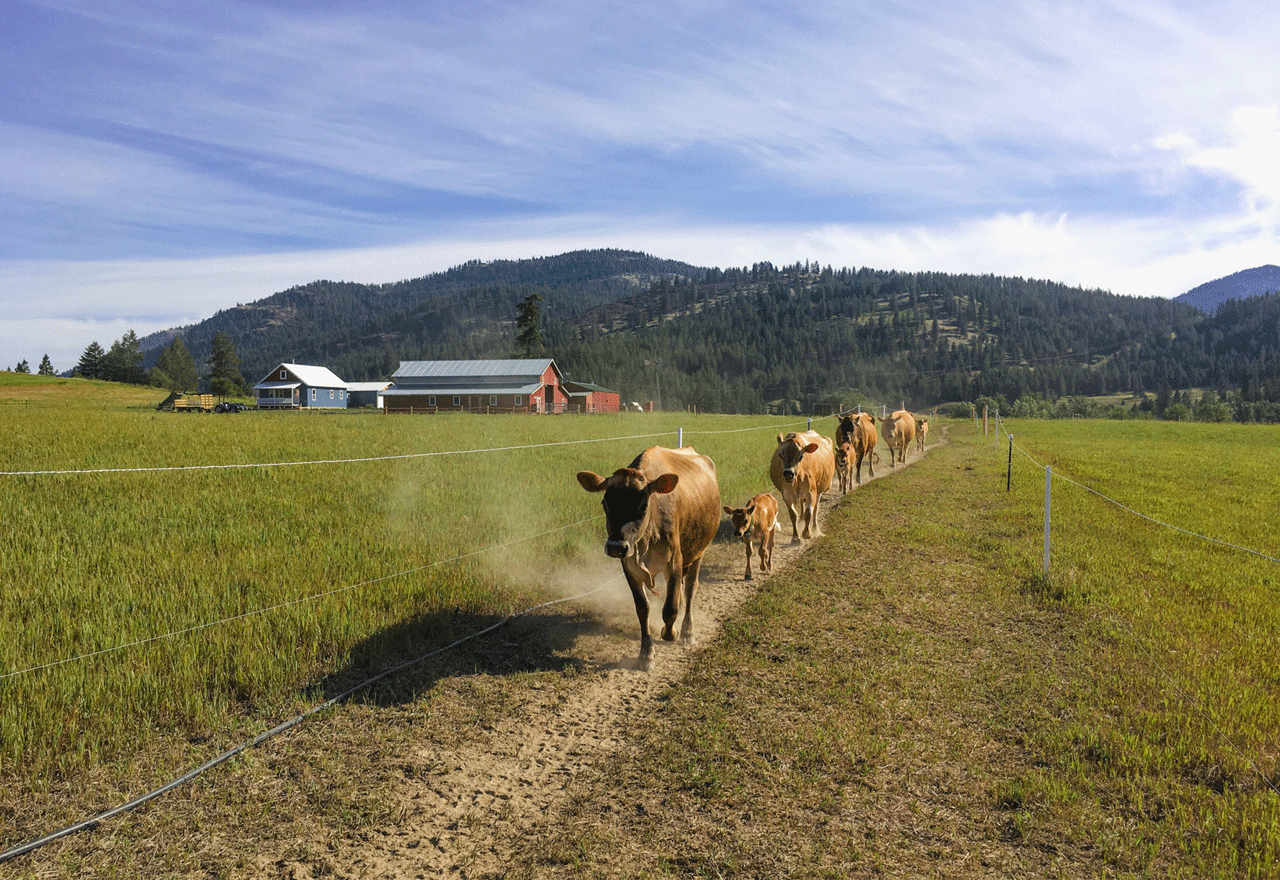
Long overdue rule underscores the cost and care of raising organic calves [This article was previously published in the summer issue of the Cultivator, Cornucopia’s quarterly newsletter. Donate today to protect organic integrity and receive our fall issue in print.] For years after they purchased their land, and before they even welcomed their first calf,… Read more »
Eden Foods

Eden Foods readily shared contact information for the farmers who grow organic soybeans for their EdenSoy (soymilk) products. Based on our follow up research, we have no reason to question their claim that all soybeans used in their EdenSoy products come from American farmers with whom they have long-term and stable relationships. The farmers whom… Read more »
Sowing Food’s Future
Matthew Dillon says failure to invest in seeds tailored for organic farm practice is cheating our food future. KQED Radio By Matthew Dillon Let’s talk about smart investments. The golden rule of successful investing is diversification. Over-investing in one area is not only risky, but also decreases the likelihood of a successful future return. The… Read more »
Glyphosate Used to Kill and Prepare Crops for Harvest
Cornucopia’s Take: Glyphosate is not allowed in organic agriculture, but it is widely used in conventional wheat, oats, and other crops to kill the crop at once for harvesting. This enables the crop to dry and be harvested efficiently at one time. It also adds a load of toxins to many conventional foods, without even… Read more »
Why the FDA Doesn’t Really Know What’s In Your Food
The Center for Public Integrity by Erin Quinn and Chris Young Why doesn’t the government know what’s in your food? Because industry can declare on their own that added ingredients are safe. It’s all thanks to a loophole in a 57-year-old law that allows food manufacturers to circumvent the approval process by regulators. This means… Read more »
Why Do G.M.O.’s Need Protection?
New York Times By Mark Bittman Genetic engineering in agriculture has disappointed many people who once had hopes for it. Excluding, of course, those who’ve made money from it, appropriately represented in the public’s mind by Monsanto. That corporation, or at least its friends, recently managed to have an outrageous rider slipped into the 587-page… Read more »
The World Must Step Off the Chemical Farming Treadmill
The Ecologist by Colin Todhunter Source: Ajith Kumar Organic farming produces more nutritious food than chemical agriculture, writes Colin Todhunter, while sustaining soils and building organic matter. And we know this from real, peer-reviewed scientific studies – unlike the pseudo-science touted at us by the self-interested advocates of industrial agribusiness. A peer-reviewed study published last… Read more »
Follow the National Organic Standards Board Meeting in Stowe, VT #NOSB
Last Updated: 10-29-15, 4:27 p.m. ET Join The Cornucopia Institute as we live tweet from the National Organic Standards Board meeting in Stowe, Vermont. We will be sharing the play by play with our Twitter followers under #NOSB or simply follow our stream. If you’re not already following us on Twitter, please do so here…. Read more »