
The fight is on to keep Monsanto alfalfa out of Canada The Briar Patch By Cathy Holtslander You might have missed it, but this spring thousands of people across Canada came out to 38 rallies organized by farmers and their supporters. In addition to these April 9 rallies, people inundated their MPs with letters and… Read more »
Search Results for: gmo
Follow the National Organic Standards Board Meeting in Pittsburgh, PA #NOSB
Join The Cornucopia Institute as we keep you informed via live tweet and web updates from the National Organic Standards Board (NOSB) meeting in Pittsburgh, PA October 23-25th. We will be sharing the play by play both below and with our Twitter followers, at #NOSB or by simply following our stream.
Not Your Grandma’s Curds and Whey
Cottage Cheese, the Dairy Delight Said to be Making a Comeback [This article was previously published in the spring issue of The Cultivator, Cornucopia’s quarterly newsletter.] by Anne Ross, JD Director of International Policy at The Cornucopia Institute In the early 1970s, the average American ate five pounds of cottage cheese per year. Since then,… Read more »
Max Goldberg Interviews USDA Sec. Perdue on Organic Issues
Cornucopia’s Take: Organic Insider’s Max Goldberg interviewed USDA Secretary Sonny Perdue regarding the agency’s decision to allow hydroponic growers to label their produce “organic.” Perdue began by saying, “It shouldn’t be competitive,” and wound up with a quote about feeding people “more efficiently and more effectfully [sic] … around the world.” The organic label exists… Read more »
Gimmicky Nutraceuticals Deceiving Health-Conscious Consumers
DHA Omega-3 Oils in Food = Proven Beneficial by Scientific Research DHA from Mutated Algae by DSM/Martek Biosciences = Unproven and Risky Written by Charlotte Vallaeys Farm and Food Policy Director, The Cornucopia Institute To our amusement, someone in the organic food industry called The Cornucopia Institute an “anti-DHA group.” Yes, it is true that… Read more »
Election Day Rundown on Pesticide Restrictions and GE Labeling: Victories and Setbacks
Beyond Pesticides Blog Source: Howard Lebowitz A mixed day for environmental and public health advocates everywhere, election day, November 4, 2014, brought victories and setbacks. While campaigns to advance public health and environmental protections faltered, as did supportive candidates, bright spots did poke through, leading the way forward for future grassroots efforts. Ogunquit, Maine Pesticide Ban Small but… Read more »
Nebraska Farmers Caught, as Part of a Wider Conspiracy, Selling GMO Grain as Organic
Cornucopia’s Take: These farmers and their accomplices who marketed and sold the GMO grain as organic, over eight years, were thankfully caught and are on the hook for almost $11 million. While that is a substantial sum, fraud in U.S.-grown crops is a much smaller business than import fraud. Domestic organic fraud of this kind… Read more »
Resisting the Corporate Theft of Seeds
The Nation Vandana Shiva We are in a food emergency. Speculation and diversion of food to biofuel has contributed to an uncontrolled price rise, adding more to the billion already denied their right to food. Industrial agriculture is pushing species to extinction through the use of toxic chemicals that kill our bees and butterflies, our… Read more »
PACTPA Could Reduce Pesticide Exposure
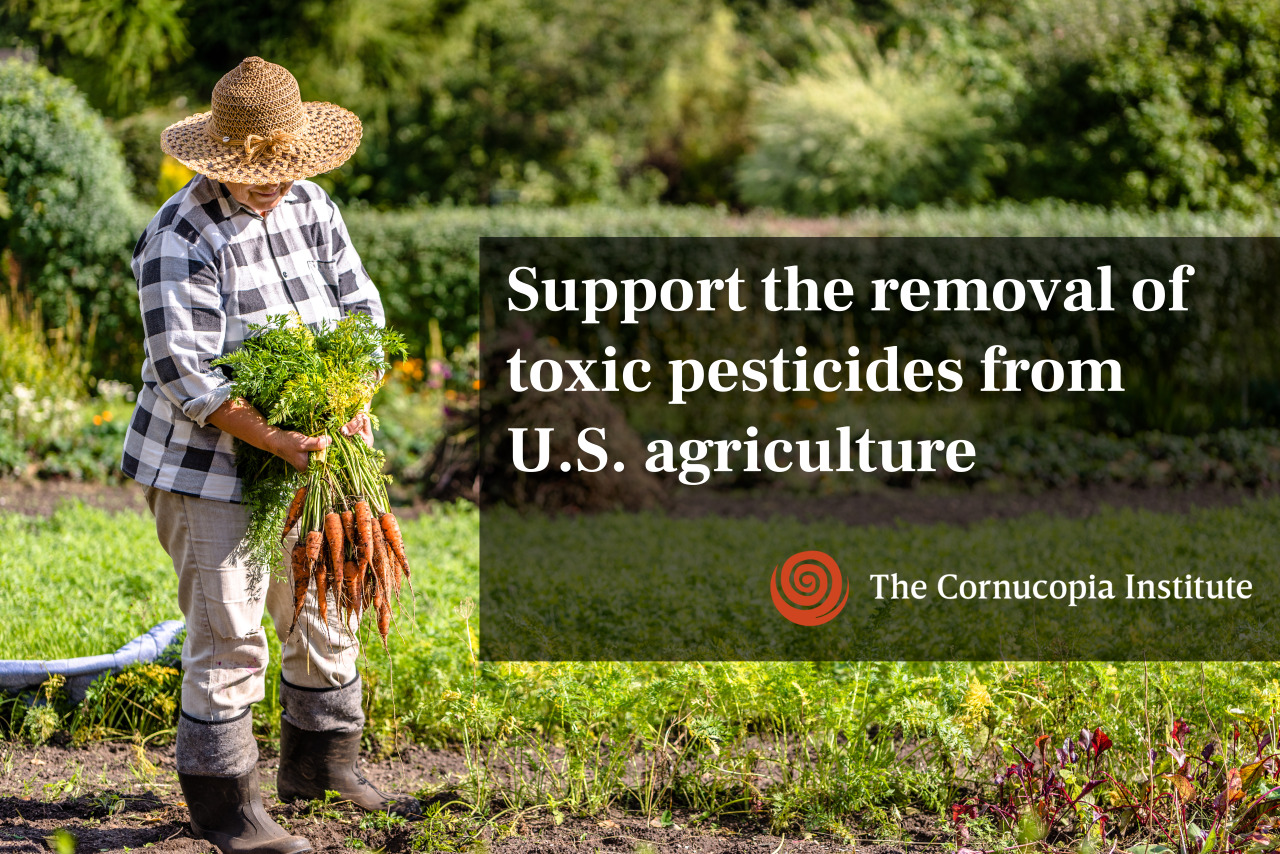
In 2021 the multi-billion dollar agrochemical industry derailed The Protect America’s Children from Toxic Pesticides Act (PACTPA), which would outlaw several pesticides linked to catastrophic human and environmental health hazards. Now the bill is getting a second chance. The bill, recently reintroduced in the Senate, would also change how the Environmental Protection Agency (EPA) oversees… Read more »
Do Seed Companies Control GM Crop Research?
Scientists must ask corporations for permission before publishing independent research on genetically modified crops. That restriction must end. Scientific American By The Editors Advances in agricultural technology, including, but not limited to, the genetic modification of food crops, have made fields more productive than ever. Farmers grow more crops and feed more people using less… Read more »