
Cornucopia’s Take: Many studies have shown how pesticides, specifically neonicotinoids, are harmful to bees, but this study shows how, over time, they have led to bee decline. Cornucopia continues to champion organic farming which supports bee health and a vibrant, healthy ecosystem.
Nearly two decades of data reinforce concerns that pesticides are really bad for bees
The Washington Post
by Chelsea Harvey
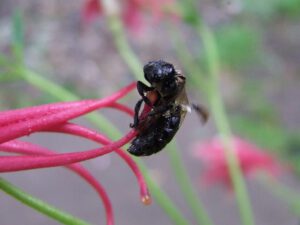 |
New research has provided some of the strongest evidence yet that pesticides can do serious, long-term damage to bee populations. And the findings may help fuel the ongoing debate about whether certain insecticides should be permitted for agricultural use at all.
The new study, published Tuesday in the journal Nature Communications, examines the question of whether the use of a common (and highly controversial) class of pesticides called neonicotinoids can be linked to wild bee declines in England. The results suggest that this could be the case.
Using 18 years of data collected on more than 60 bee species in England, the researchers found that species foraging on pesticide-treated crops have experienced much more severe losses than species foraging on other plants. The study provides some of the first evidence that the effects of neonicotinoid exposure can scale up to cause major damage to bees.