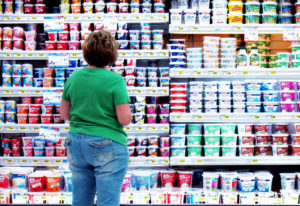
CNBC by Uptin Saiidi Historically large brand name products in the supermarket have commanded more demand and higher costs. Those days, however, may be numbered. Analysts say that as more upstarts get into the game, major food conglomerates are reacting in ways that suggest their hold on the public is ...

Star Tribune by Josephine Marcotty Source: Rebecca Leaman Investigators confirmed link to toxic insecticide dust in the first test of a landmark environmental law. In the first test of a landmark environmental law, Minnesota has compensated two beekeepers whose hives were severely damaged last spring by toxic dust that drifted ...
The Sierra Club and The Cornucopia Institute have formally called upon the USDA to tighten federal regulatory standards to prohibit the use of “produced water,” which is wastewater from oil and gas drilling operations, in organic food production. The two organizations have simultaneously sent nearly 30,000 signatures to the agency ...
[This article was previously published in the spring issue of The Cultivator, Cornucopia’s quarterly newsletter.] by Mark Kastel, Codirector of The Cornucopia Institute Mark Kastel USDA Secrecy and Corporate Agribusiness Blowback When Congress passed the Organic Foods Production Act of 1990, it created a unique public-private partnership of governance. It ...
Alternet by Willy Blackmore, TakePart Source: USDA The company will follow the standards set by Vermont’s labeling law until a national standard is set. Vermont started a revolution, and its effects will soon spread across the country. No, we aren’t talking about Sen. Bernie Sanders’ campaign to be the Democratic ...
Audubon.org by Erica Cirino Source: DC Gardens A new report from the United Nations suggests that the loss of certain pollinating species could threaten the planet’s food supply. Birds do a lot for us—beyond being easy on the eyes, their assistance in the pollination process helps ensure that we humans ...
The Denver Post by Bruce Finley 81-year-old James Hopper’s neighbors complained that his mosquito spraying threatened their organic farm An 81-year-old Colorado rancher who waged war on mosquitoes after his wife nearly died from West Nile virus has launched a last-minute fight against going to jail this week for spraying ...
Johns Hopkins Center for a Livable Future National Survey Commissioned by Johns Hopkins Center for a Livable Future Finds Americans Prioritize Sustainability of Healthy Foods Over Cost and Industry Impact A national survey of 800 Americans shows that 74 percent of adults believe the newly released Dietary Guidelines should include ...
Reuters by Lisa Baertlein and Karl Plume The U.S. Senate on Wednesday blocked a bill that would nullify state and local efforts to require food makers to label products made with genetically modified organisms, or GMOs, as the industry races to stop Vermont’s law from taking effect on July 1. ...
FoodTank by Danielle Nierenberg and Stephanie Van Dyke According to the U. N. Food and Agriculture Organization (FAO), “Fish represents a valuable source of proteins and nutrients in the diet of many countries and its importance in contributing to food security is rising significantly.” This week, March 10–13, Slow Food ...
The New York Times by The Editorial Board Source: USDA The Senate could soon join the House to try to make it harder for consumers to know what is in their food by prohibiting state governments from requiring the labeling of genetically modified foods. This is a bad idea that ...
The Ecologist by Nicole Sagener | EurActiv.com Fuessen, Germany Source: Moyan Brenn A new study shows that 99.6% of Germans are contaminated with the herbicide glyphosate, writes Nicole Sagener. The news comes as the EU puts off a crucial decision on whether to re-authorise the chemical, described by IARC as ...