Cornucopia’s Take: With the public increasingly concerned with food quality, sustainability, and food safety, these issues don’t grab much attention from elected officials (outside of GMO labeling and ethanol). But food politics cuts across political lines and may yet provoke more attention from lawmakers. When Will Food Issues Be on ...
Cornucopia’s Take: Forests play a critical role in habitat, biodiversity, flood control, water filtration, and carbon sequestration. Farmers can obtain conservation easements to offset the economic burden of leaving land undisturbed. Bridging the gap between forestry and agriculture to improve food security Food and Agriculture Organization of the United Nations ...
Why Not to Convert Native Land to Organic Management [This article was previously published in the summer issue of The Cultivator, Cornucopia’s quarterly newsletter.] by Kestrel Burcham, JD Farm and Food Policy Analyst at The Cornucopia Institute Source: Adobe Stock As consumers become more educated about the strain conventional agriculture ...
Cornucopia’s Take: Deregulation, policy decisions, quota expansion, and tariffs would enable huge meat corporations to rule the European and U.S. markets under TTIP, leaving family farmers out in the cold. New Report Documents Corporate Meat’s Takeover Through TTIP Institute for Agriculture & Trade Policy by Shefali Sharma Brussels – Today ...
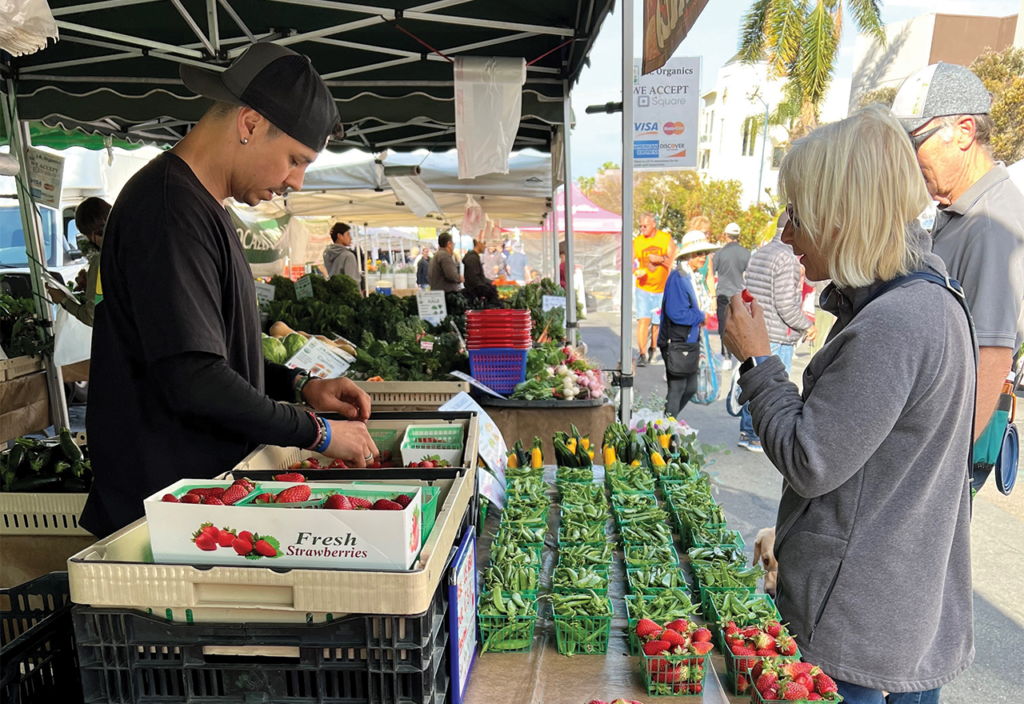
Cornucopia’s Take: Joining your local CSA supports the farmer by mitigating the risks inherent in farming, but it also provides consumers with nutrient-dense food and encourages the use of new recipes and cooking techniques. Support your local CSA! USU study finds benefits to community-supported agriculture HJNews.com by Kevin Opsahl Stonebridge ...
Cornucopia’s Take: The seed industry has become increasingly consolidated as Monsanto and other Biotech players gobble up smaller companies. Rather than try to make target plants immune to pesticides, this new company is working to improve plant health. Seed startup closes $100 million funding to tackle water scarcity Food & ...
Cornucopia’s Take: While President Obama considers signing the GMO labeling compromise, the newest GMO technique, gene editing, is escaping federal regulation. Cornucopia supports the precautionary principle: companies should prove the safety of their products before bringing them to market. Americans Are Buying Gene-Edited Food That’s Not Labeled GMO Bloomberg Technology ...
Cornucopia’s Take: It is no coincidence that the U.S. spends more on healthcare than any other country in the world. Organic food – unsubsidized by the U.S. government – is more expensive up front, but you get what you pay for. How the Government Supports Your Junk Food Habit The ...
Cornucopia’s Take: One more example of unintended consequences of the widespread use of pesticides as they disperse across the environment and impact non-target species. Common Pesticide Exposure Alters Behavior of Fish and Amphibians Beyond Pesticides Source: USDA Exposure to common pesticides at levels often found in the environment can have ...
Cornucopia’s Take: Since 2007 the USDA mandate for pasteurized raw almonds has meant that California-grown raw almonds are no longer truly raw. They must be treated with a toxic fumigant classified as a possible carcinogen (propylene oxide) or heated with steam. Newly introduced radio frequency technology may be a game-changer ...
Cornucopia’s Take: The growing consumer hunger for organics has made organics a $43 billion a year business. As shortages appear, more farmers look to transition to organics. While they wrestle with changing agricultural practices, corporations are scrambling to find supplies – sometimes in the U.S. and increasingly from abroad. Paying ...
Cornucopia’s Take: Small amounts of healthy soil can help revive barren land. What processes cause the increase in nematodes, bacteria, and fungi remain unclear. The study reaffirms the importance of soil in organic production. Soil ‘booster shots’ could turn barren lands green Science by Elizabeth Pennisi Source: USDA NRCS Want ...